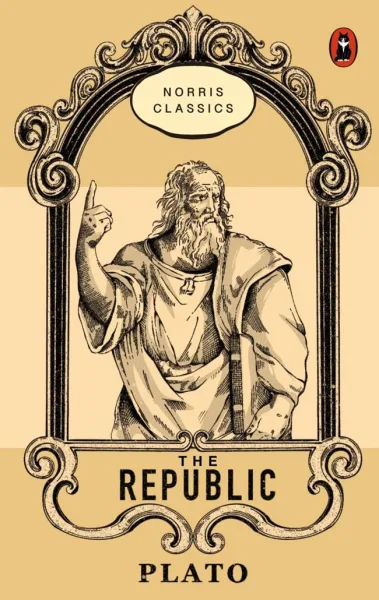
The Republic
Judul terjemahan Indonesia: Republik
Oleh Plato
Sinopsis :
The Republic is Platoâs best-known work, and there are ways in which it is too famous for its own good. It gives us systematic answers to a whole range of questions about morality, politics, knowledge, and metaphysics, and the book is written in a way designed to sweep the reader along and give a general grasp of the way Plato sees all these questions as hanging together. So our reaction to it, at least on first reading, is likely to be oversimplified; we may feel inclined to accept or reject it as a whole, rather than coming to grips with particular arguments. But the Republic, though written with single-minded intensity, is a work of great complexity. And this is the best reason for studying it in detail.
Tahun Terbit : Cetakan Pertama, 2024
Pernahkah Anda terpikir betapa menariknya dunia yang terbuka lebar lewat lembaran buku? Membaca bukan hanya kegiatan rutin, tetapi juga petualangan tak terbatas ke dalam imajinasi dan pengetahuan. Membaca mengasah pikiran, membuka wawasan, dan memperkaya kosakata. Ini adalah pintu menuju dunia di luar kita yang tak terbatas. Tetapkan waktu khusus untuk membaca setiap hari.
Dari membaca sebelum tidur hingga menyempatkan waktu di pagi hari, kebiasaan membaca dapat dibentuk dengan konsistensi. Pilih buku sesuai minat dan level literasi. Mulailah dengan buku yang sesuai dengan keinginan dan kemampuan membaca. Temukan tempat yang tenang dan nyaman untuk membaca.
Bahasa: English
Penerbit: gpu
Pertanyaan Umum
What is The Republic about?
The Republic is Plato's most famous work, structured as a dialogue led by Socrates that examines the meaning of justice and describes the structure of an ideal city-state, including its rulers, classes, and education system.
Who is this book for?
It is essential reading for students of philosophy, political theory, and ethics, as well as general readers interested in foundational Western thought.
Why is The Republic still studied today?
Its arguments about justice, governance, and the nature of knowledge continue to influence political philosophy, education theory, and debates about the ideal society more than two millennia after it was written.