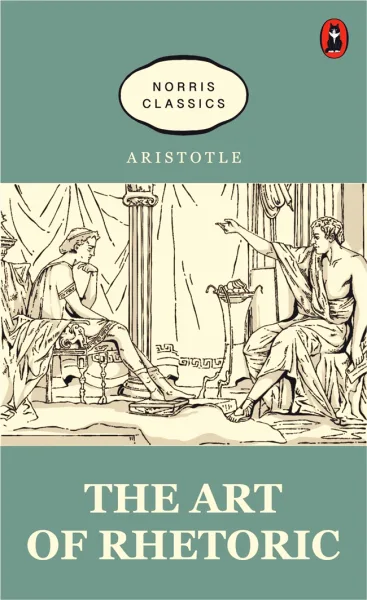
The Art of Rhetoric
Judul terjemahan Indonesia: The Art of Rhetoric
Oleh Aristotle
Aristotle developed the Rhetoric during two periods when he was in Athens, the first, from 367-347 BCE (when he was second to Plato in the academy); and the second, from 335-322 BCE (when he was running his own school, the Lyceum). The study of rhetoric was contested in classical Greece: on one side were the sophists, and on the other were Socrates, Plato, and Aristotle. The trio saw rhetoric and poetry as tools that were too often used to manipulate others by appealing to emotion and omitting facts. They accused the sophists in particular--including Gorgias and Isocrates of this sort of manipulation. Plato blamed sophistical rhetoric for the arrest and the death of Socrates.
Tahun Terbit : Cetakan Pertama, 2024
Pernahkah Anda terpikir betapa menariknya dunia yang terbuka lebar lewat lembaran buku? Membaca bukan hanya kegiatan rutin, tetapi juga petualangan tak terbatas ke dalam imajinasi dan pengetahuan. Membaca mengasah pikiran, membuka wawasan, dan memperkaya kosakata. Ini adalah pintu menuju dunia di luar kita yang tak terbatas. Tetapkan waktu khusus untuk membaca setiap hari. Dari membaca sebelum tidur hingga menyempatkan waktu di pagi hari, kebiasaan membaca dapat dibentuk dengan konsistensi. Pilih buku sesuai minat dan level literasi. Mulailah dengan buku yang sesuai dengan keinginan dan kemampuan membaca. Temukan tempat yang tenang dan nyaman untuk membaca.
Bahasa: English
Penerbit: gpu
Pertanyaan Umum
What is The Art of Rhetoric about?
Written around 350 BC, Aristotle's The Art of Rhetoric systematically analyzes the techniques of persuasion, identifying ethos (credibility), pathos (emotion), and logos (logic) as the three core modes of persuasive appeal.
Why is this book still studied today?
Its framework for analyzing arguments and persuasion underlies modern studies of communication, law, advertising, and public speaking, making it a foundational text in rhetoric and media studies.
Who is this book for?
Students of philosophy, communication, law, or writing who want to understand the classical foundations of persuasive argument and public speaking.