How to Think Politically
Judul terjemahan Indonesia: How to Think Politically
Oleh Graeme Garrard & James Bernard Murphy
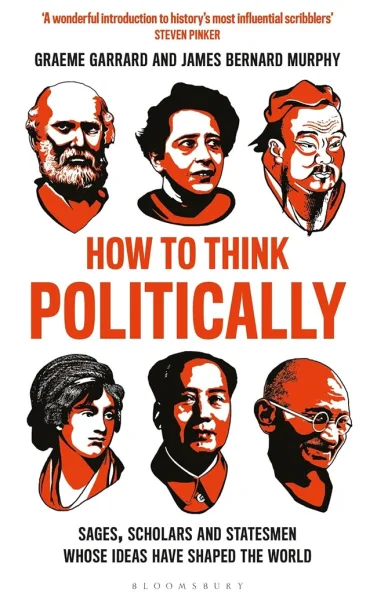
How to Think Politically: Sages, Scholars and Statesmen Whose Ideas Have Shaped the World
"A wonderful introduction to history's most influential scribblers."--Steven Pinker
What is truly at stake in politics? Nothing less than how we should live, as individuals and as communities. This book goes beyond the surface headlines, the fake news and the hysteria to explore the timeless questions posed and answers offered by a diverse group of the 30 greatest political thinkers who have ever lived.
Are we political, economic, or religious animals? Should we live in small city-states, nations, or multinational empires? What values should politics promote? Should wealth be owned privately or in common? Do animals also have rights? There is no idea too radical for this global assortment of thinkers, which includes: Confucius; Plato; Augustine; Machiavelli; Burke; Wollstonecraft; Marx; Nietzsche; Gandhi; Qutb; Arendt; Nussbaum, Naess and Rawls.
In each brief chapter, the authors paint a vivid portrait of these often prescient, always compelling political thinkers, showing how their ideas grew out of their own dramatic lives and times and evolved beyond them. Now more than ever we need to be reminded that politics can be a noble, inspiring and civilising art. And if we want to understand today's political world, we need to understand the foundations of politics and its architects. This is the perfect guide to both.
Bahasa: English
Penerbit: gpu
Pertanyaan Umum
What is How to Think Politically about?
The book presents short, accessible essays on 30 major political thinkers throughout history, from Confucius, Plato, and Machiavelli to Wollstonecraft, Marx, Arendt, and Rawls, exploring the questions each one raised about power, justice, and society.
Who is this book for?
Readers new to political theory who want an approachable entry point, as well as students looking for a concise overview of major thinkers before diving into primary texts.
Do I need to read it cover to cover?
No. Each chapter stands alone as a profile of one thinker, so readers can dip in and out based on which figures or ideas interest them most.