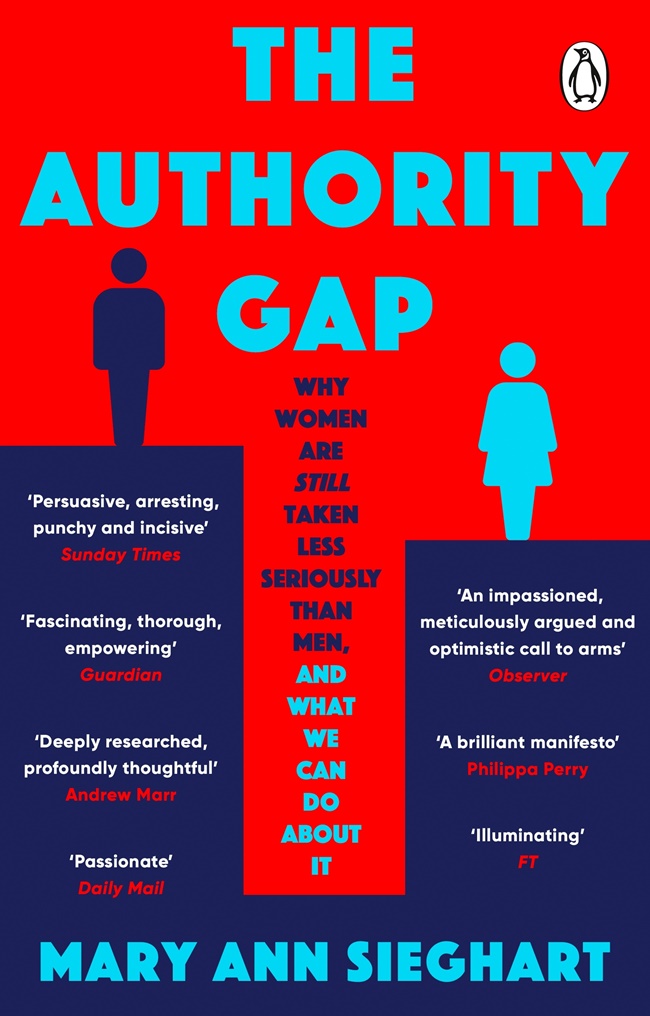
The Authority Gap
Imagine living in a world in which you were routinely patronised by women. Imagine having your views ignored or your expertise frequently challenged by them. Imagine people always addressing the woman you are with before you. Now imagine a world in which the reverse of this is true.
The Authority Gap provides a startling perspective on the unseen bias at work in our everyday lives, to reveal the scale of the gap that still persists between men and women. Would you believe that US Supreme Court Justices are interrupted four times more often than male ones... 96% of the time by men? Or that British parents, when asked to estimate their child's IQ will place their son at 115 and their daughter at 107?
Marshalling a wealth of data with precision and insight, and including interviews with pioneering women such as Baroness Hale, Mary Beard and Bernadine Evaristo, Mary Ann exposes unconscious bias in this fresh feminist take on how to address and counteract systemic sexism in ways that benefit us all.
***
Have you ever thought about how fascinating the world is, wide open through the pages of a book? Reading is not just a routine activity, but also an unlimited adventure into imagination and knowledge.
Reading sharpens the mind, broadens horizons, and enriches vocabulary. It is a gateway to a limitless world beyond us.
Set aside a specific time for reading each day. From reading before bed to finding time in the morning, reading habits can be formed with consistency.
Bahasa: English
Penerbit: gpu
Frequently Asked Questions
What is The Authority Gap about? expand_more
Journalist Mary Ann Sieghart examines why women, even at the highest levels of achievement, are routinely taken less seriously than men, combining research, surveys, and interviews with prominent women including former heads of state.
Who is this book for? expand_more
Readers interested in gender equality, workplace dynamics, and social psychology, as well as anyone who wants data-backed insight into everyday sexism and bias.
Does the book offer solutions, or just describe the problem? expand_more
It does both: alongside documenting the 'authority gap,' Sieghart offers practical suggestions for individuals and institutions to close it.